
Skills for everyday life
ABA therapy. Progress with a purpose.
Understand how Applied Behavior Analysis can support communication, learning, and everyday skills through individualized treatment.
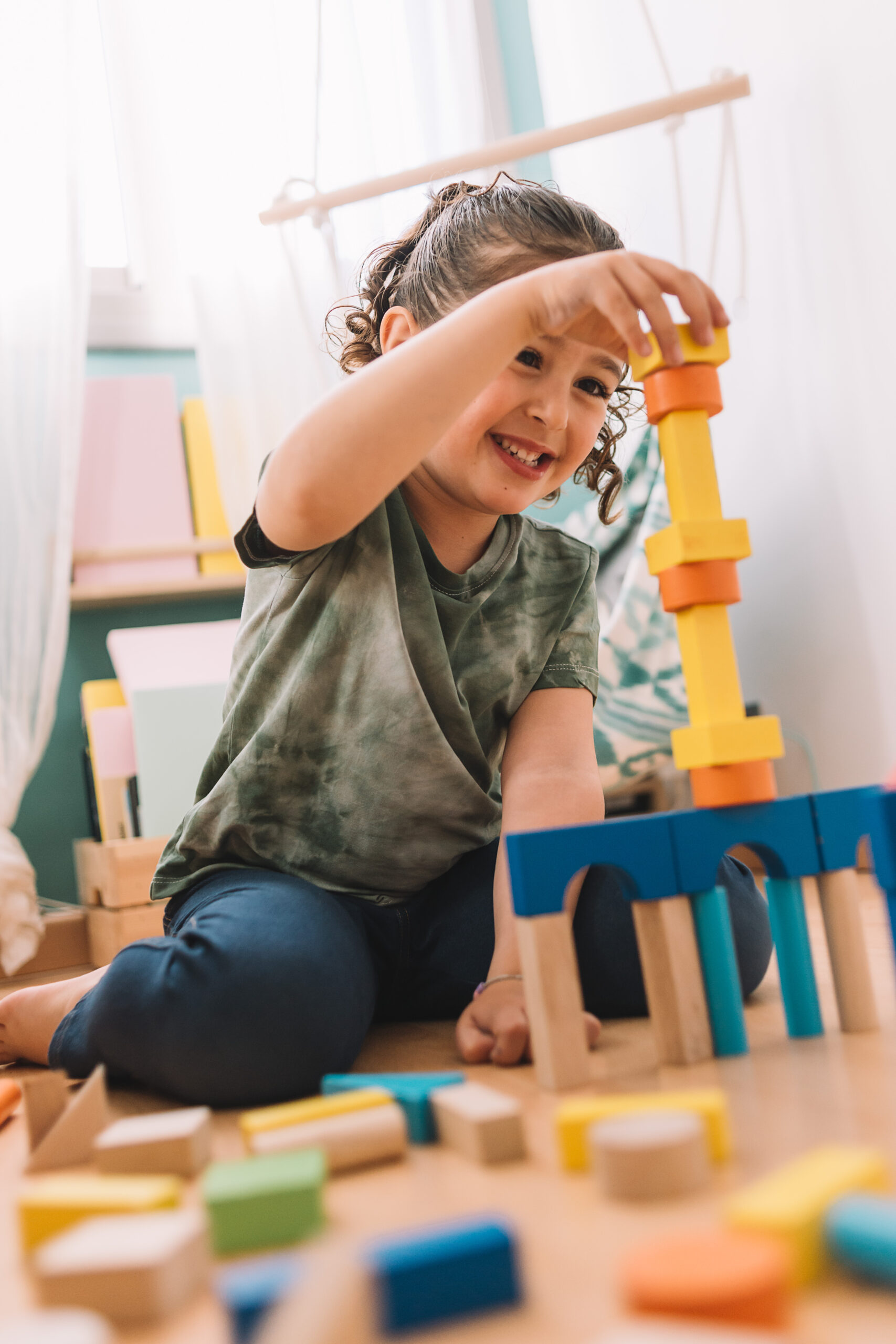
What is ABA therapy?
Understanding learning. Supporting useful skills.
Applied Behavior Analysis studies how behavior is learned and influenced by a person’s surroundings. ABA treatment applies that understanding to teach useful skills and evaluate how support is working.
Start with the individual.
Treatment goals should reflect assessed needs, the child’s strengths, and family priorities. Positive reinforcement and practice can support learning, while observations and data help guide adjustments.
Ask how your child’s preferences, comfort, and communication will be included in planning.
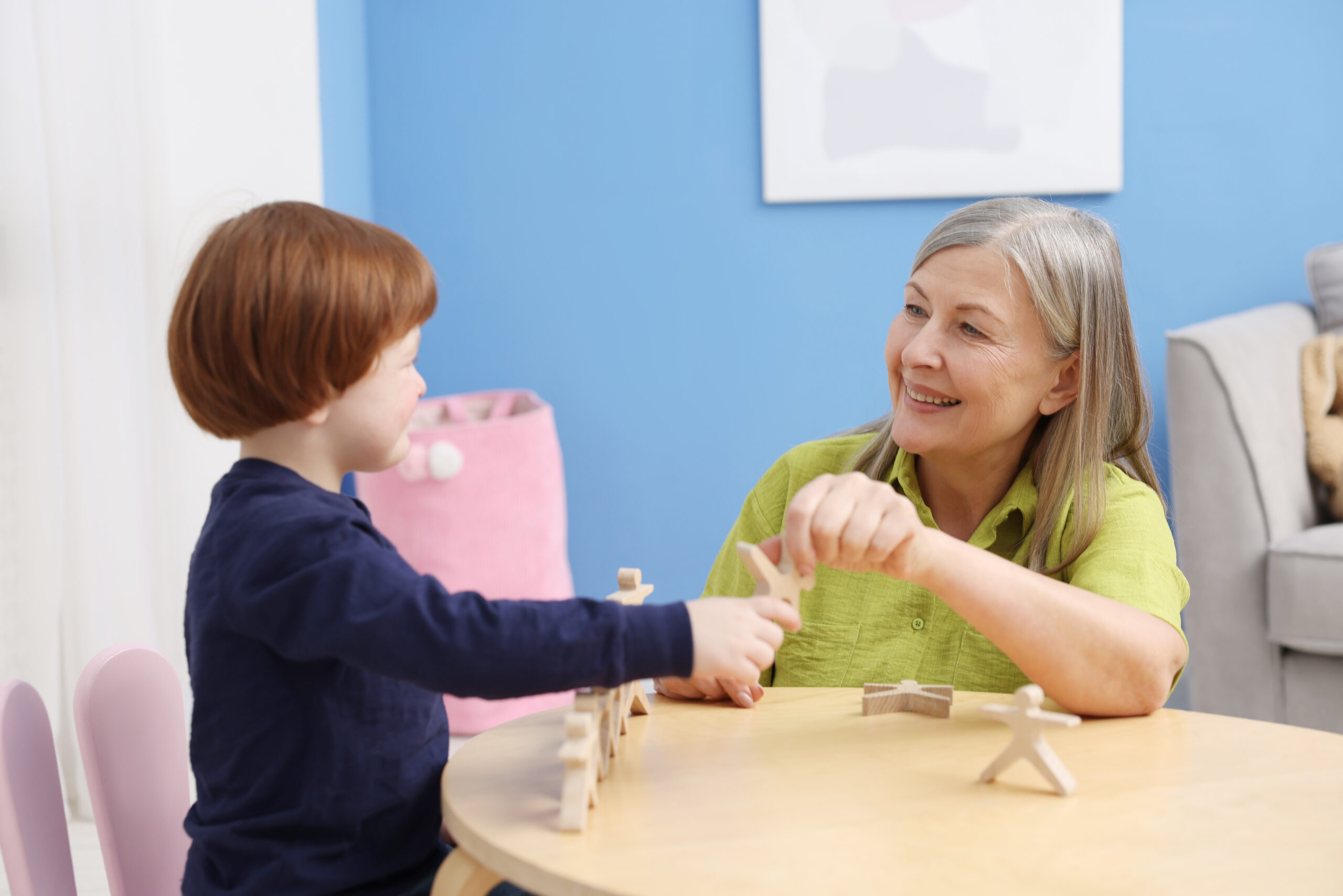
Common goals
Small skills. Meaningful moments.
These are examples. Your child’s goals depend on their individual assessment and priorities.
01
Communicating needs
Build ways to ask for help, make choices, or request a break using communication that works for the child.
02
Everyday routines
Practice useful steps in activities such as getting ready, caring for personal belongings, or moving between activities.
03
Learning & participation
Develop skills that support play, shared activities, and participation in daily life.
ABA therapy FAQs
Your questions belong here.
How are treatment goals chosen?
Assessment helps identify needs and starting skills. Discuss your child’s strengths, preferences, and your family’s priorities with the team, and ask how proposed goals will be reviewed with you.
How many hours of therapy will my child need?
There is no single schedule for every child. Recommendations depend on assessed needs and the proposed treatment plan. Ask the team about the recommendation, availability, and any coverage requirements.
How is progress measured?
ABA uses observations and data to track defined skills over time. Ask what will be measured, how progress will be shared, and when goals or strategies may be adjusted.
Can parents or caregivers be involved?
Ask how caregiver participation would fit into your child’s plan. Parent consultation is another service to explore when you want help understanding strategies and everyday practice.
Let’s talk about your child’s next step.
Find the intake checklist and existing forms, or contact us with your first questions.